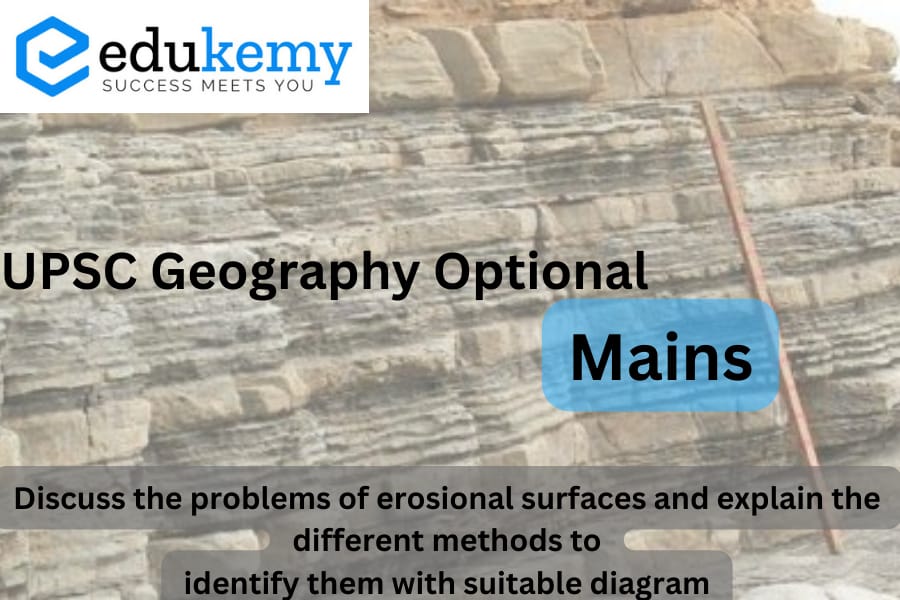
The almost plain topographic surfaces with undulating surfaces and low remnant relief features are the result of long-term denudational processes. These surfaces are also referred to as planation surfaces, such…
Frontogenesis and Frontolysis are both important climatic events. While frontogenesis refers to the process of formation of a front and represents the process of two air masses converging with each…
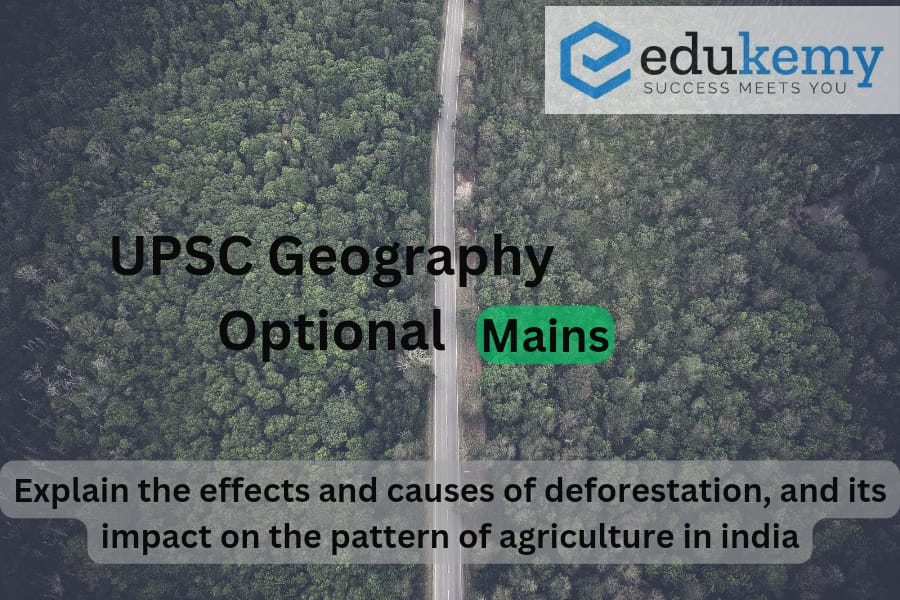
India ranked the second highest for the rate of deforestation after losing almost 660000 hectares of forest cover in the last 30 years as per studies. Deforestation has significant effects…
The Indian monsoon system is a complex meteorological phenomenon, influenced by various geographical factors, including topography, latitude, oceanic conditions, seasonal shifts, land-sea temperature contrast, and regional features, which significantly shape…
Ocean currents are persistent, predictable, and directed flows of seawater, representing substantial horizontal movement of oceanic water, shaped and impacted by a variety of forces, resembling the flowing streams within…
The process of coral bleaching is complex and global, intricately linked to climate change and other anthropogenic activities. As per the NOAA Coral Reef Watch, 71% of the world's coral…
Evolution of continents and oceans has been a dynamic subject to study from a very long time. Ever since modern science and modern thought developed, the impermanence of ocean and…