The evolution of nationalist foreign policy represents a dynamic journey through the annals of history, reflecting the ever-changing aspirations, interests, and identities of nations on the global stage.
One-party dominance, a phenomenon where a single political party consistently holds power over an extended period within a democratic system, has profound implications for the functioning of governance and the dynamics of political competition.
The Election Commission of India (ECI) stands at the forefront of one of the world's largest democratic exercises, tasked with ensuring the fair and efficient conduct of elections in the world's largest democracy.
Building democracy is a multifaceted endeavor fraught with challenges at every turn. From the intricacies of institutional design to the complexities of societal norms, the task of establishing and maintaining democratic governance requires a delicate balance of power, participation, and accountability.
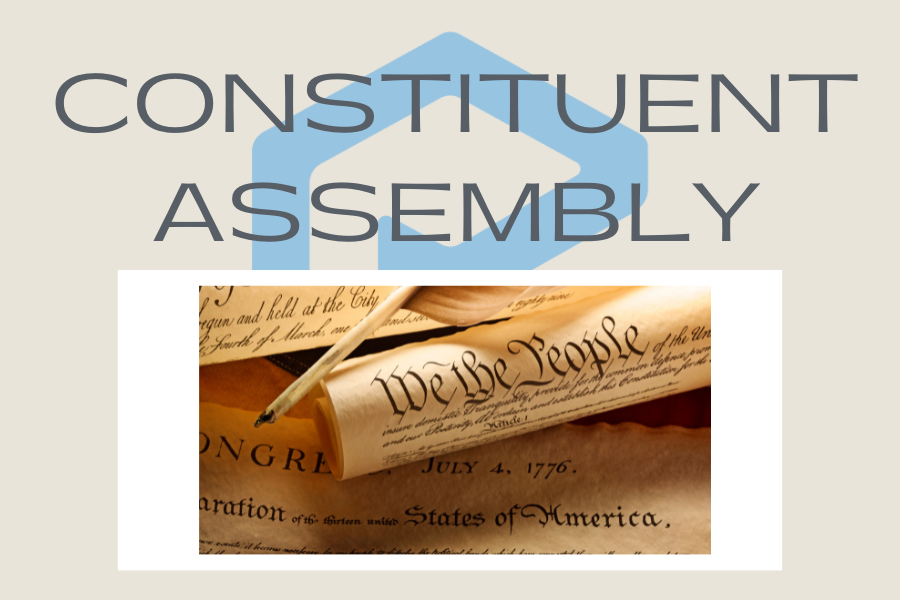
The idea of a Constituent Assembly was initially proposed by M.N. Roy. In 1935, the Indian National Congress (INC) formally called for the establishment of a Constituent Assembly to draft a constitution for India.
The issue of official language and linguistic reorganization of states stands at the intersection of politics, culture, and identity, wielding significant influence over the fabric of a nation.