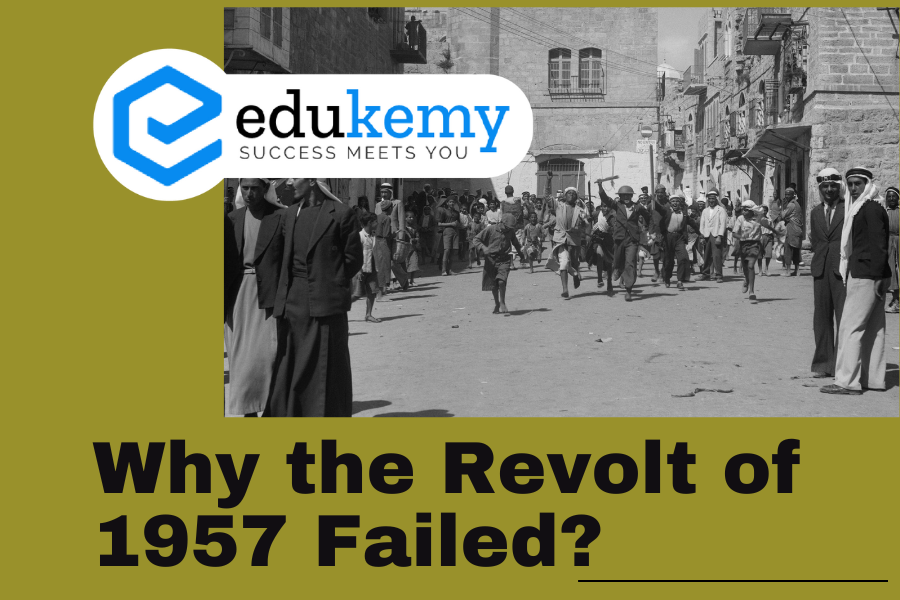
The Revolt of 1957 stands as a significant chapter in the history of political upheaval, marked by fervent aspirations for change and resistance against oppressive regimes.
People's uprisings, often characterized by their fervent calls for change and defiance against oppressive regimes or societal injustices, are imbued with a spirit of hope and resilience.
British India, a sprawling empire that spanned the Indian subcontinent for nearly two centuries, was a complex tapestry of cultures, peoples, and landscapes shaped by the ambitions of the British Empire.
Amidst economic instability, social inequality, and the specter of impending conflict, the post-1922 era became a breeding ground for revolutionary thought and action, shaping the course of history for decades to come.
As the leader of the Indian National Congress and the architect of nonviolent resistance, Gandhi possessed a unique understanding of the political and social dynamics at play.
The Khilafat movement and the Non-Cooperation movement were indeed significant mass movements that emerged in India between 1919 and 1922, both aimed at opposing British rule.