The Lausanne Conference of 1932 stands as a pivotal moment in the history of international diplomacy, as it addressed the aftermath of World War I and its impact on the economic stability of the nations involved.
The Spanish Civil War, which took place from 1931 to 1939, was a complex and highly charged conflict that involved various political and military factions.
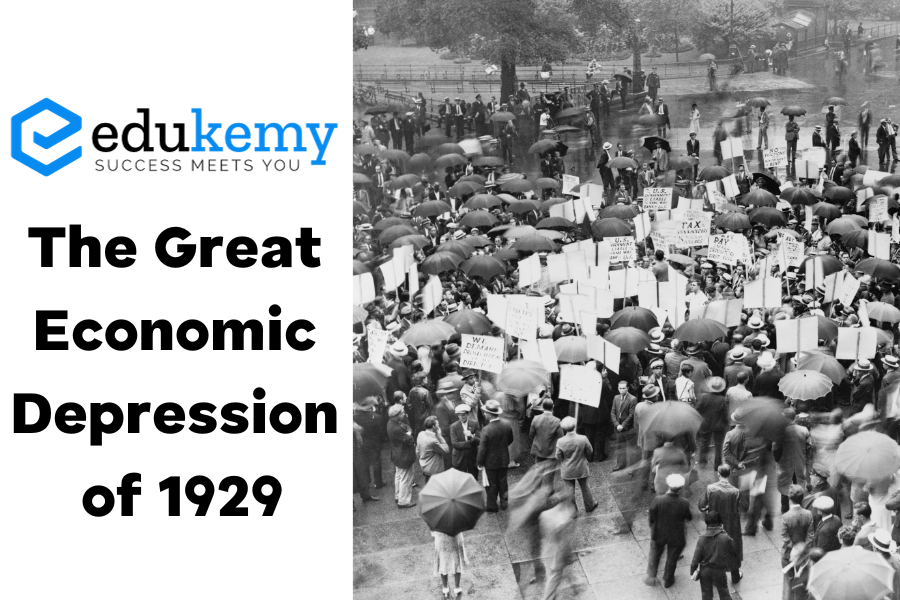
The Great Depression, which occurred from 1929 to the beginning of World War II in 1939, was indeed a severe economic crisis that had profound and widespread effects on the global economy.
The years following 1929 witnessed significant events and shifts in the political and economic landscape, which had profound implications for the lead-up to the Second World War.
The United Nations (UN) and the League of Nations represent two distinct eras in the realm of international governance, each shaped by the geopolitical landscape of its time.
The attitude of the Allied Powers during and after World War I was marked by a complex interplay of political, economic, and territorial considerations.