In the annals of Indian history, few figures loom as large or command as much reverence as Mahatma Gandhi. His name is synonymous with the ideals of nonviolence,
Mahatma Gandhi's profound statement, "There is enough on this earth for everyone's need but for no one's greed," encapsulates the essence of sustainable living and equitable distribution of resources.
The assassination of Mahatma Gandhi on January 30, 1948 was a major tragedy in Indian history. Gandhi was the Father of the Nation and the leader of the Indian independence movement.
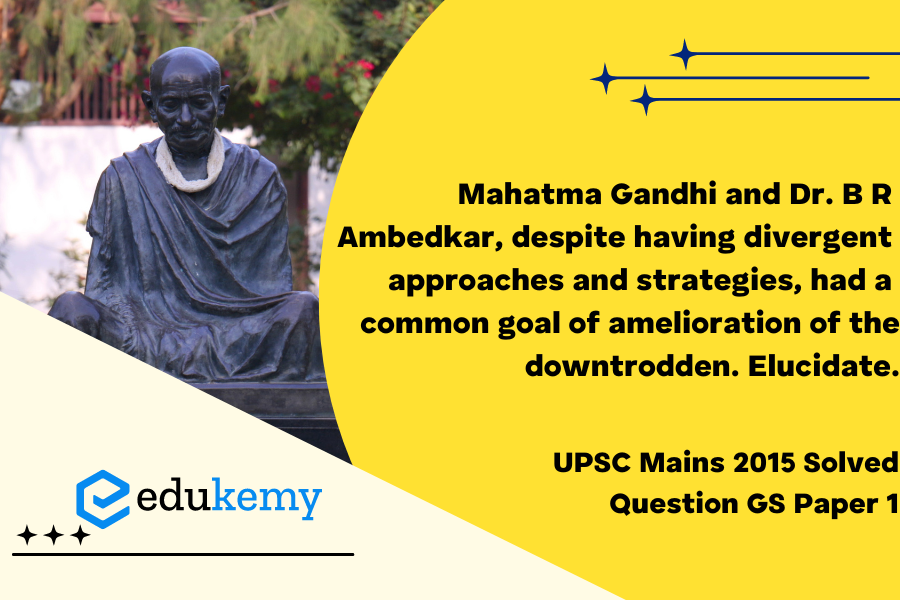
Mahatma Gandhi and Dr. B.R. Ambedkar, two towering figures in the history of modern India, although possessing divergent approaches and strategies, were united by a shared commitment to the amelioration of the downtrodden.
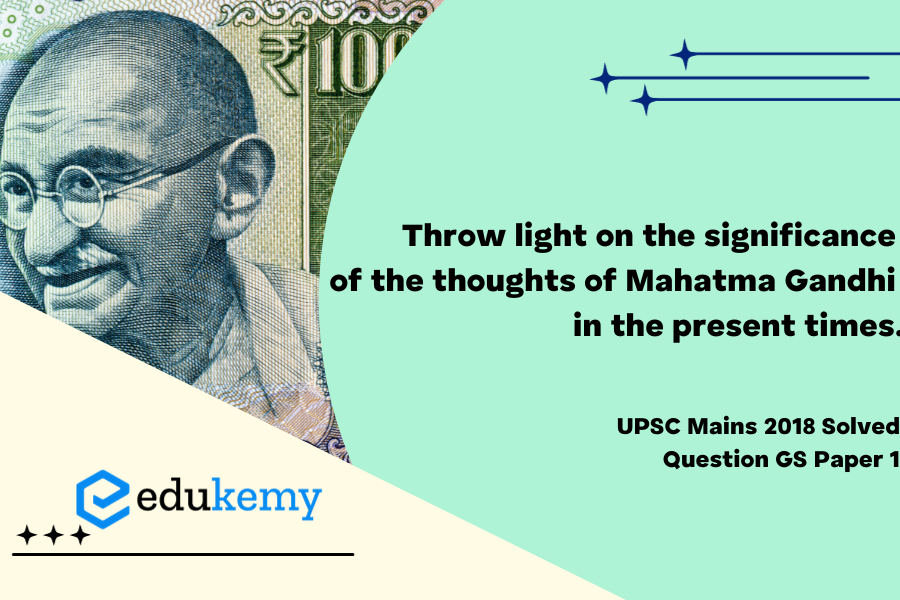
Mahatma Gandhi, the towering figure in India's struggle for independence, not only advocated for political freedom but also emphasized the significance of moral and spiritual values in human life.
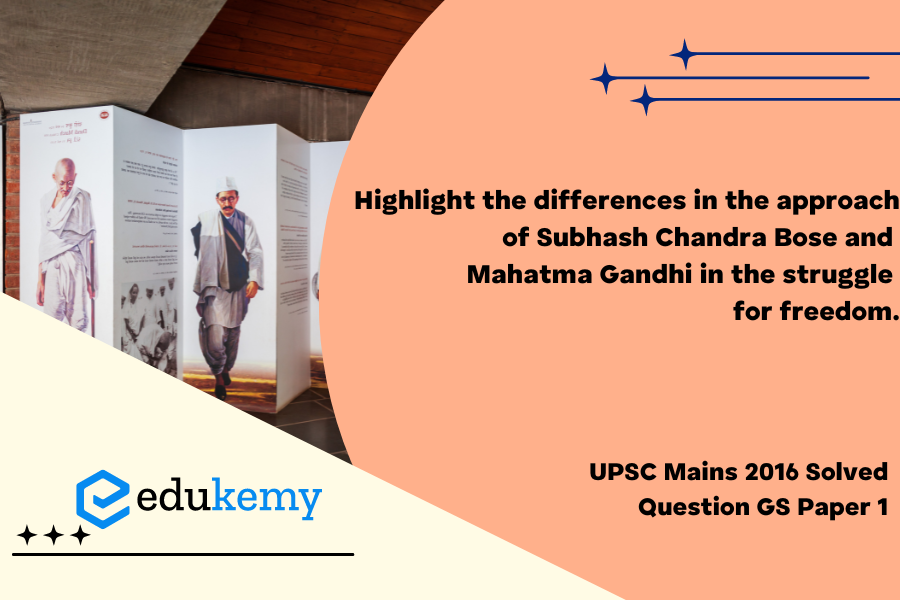
The quest for Indian independence witnessed the dynamic interplay of two stalwart leaders, Subhash Chandra Bose and Mahatma Gandhi, each contributing to the struggle with distinctive approaches that reflected their divergent ideologies and convictions.