The Round Table Conferences, held in London during the 1930s, marked a pivotal moment in the history of British colonialism and India's struggle for independence.
The Civil Disobedience Movement, spanning from 1930 to 1934, stands as a landmark chapter in India's struggle for independence against British colonial rule.
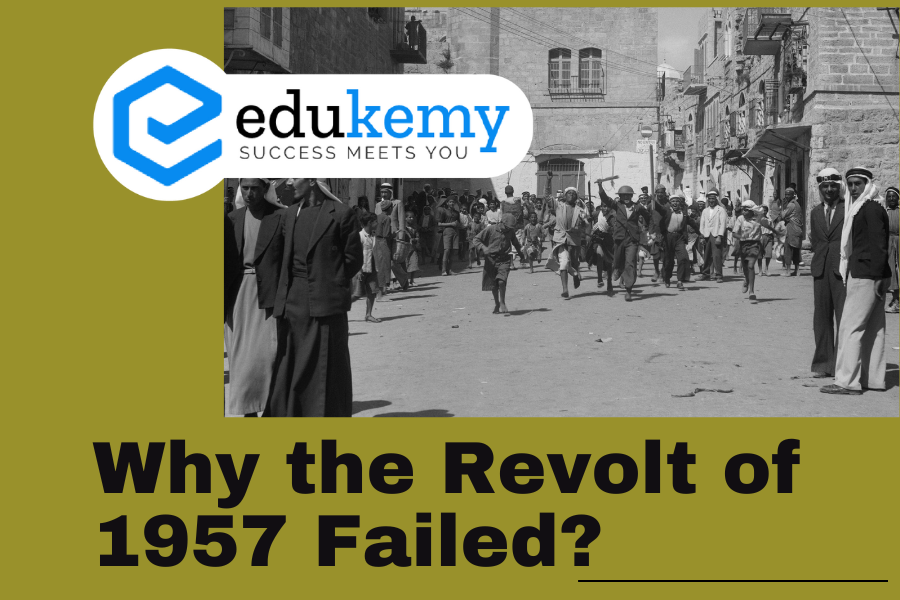
The repercussions of the 1857 Revolt, both immediate and long-term, reverberate through the annals of Indian history, shaping narratives of resistance, identity, and nationhood.
The Revolt of 1957 stands as a significant chapter in the history of political upheaval, marked by fervent aspirations for change and resistance against oppressive regimes.
People's uprisings, often characterized by their fervent calls for change and defiance against oppressive regimes or societal injustices, are imbued with a spirit of hope and resilience.
British India, a sprawling empire that spanned the Indian subcontinent for nearly two centuries, was a complex tapestry of cultures, peoples, and landscapes shaped by the ambitions of the British Empire.
The success of the Make in India program hinges greatly on the effectiveness of the Skill India initiative and the implementation of radical labor reforms.