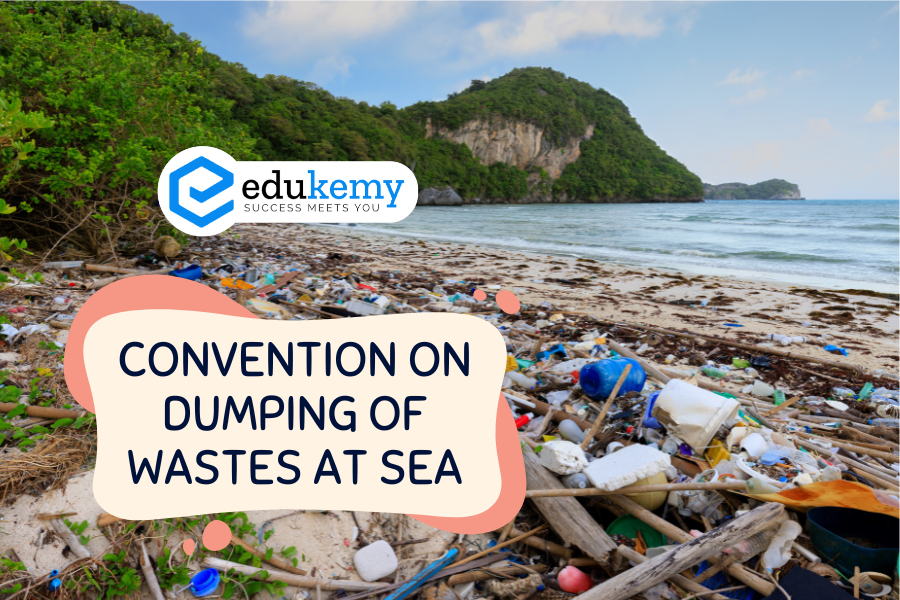
The Convention on the Prevention of Marine Pollution by Dumping of Wastes and Other Matter, more commonly known as the Convention on Dumping of Wastes at Sea,
Marine pollution occurs when substances introduced or discharged by human activities, such as industrial, agricultural, and residential waste, particulate matter, noise, excessive carbon dioxide, or invasive species, enter the water and cause adverse effects.
In 2014, the Indian government launched the Swachh Bharat Abhiyan, also known as the Clean India Mission, as a nationwide campaign with the objective of eradicating open defecation and enhancing the management of solid waste.
By addressing the complex challenges facing major rivers, these conservation efforts are not only preserving invaluable ecosystems but also promoting sustainability and resilience in the face of mounting environmental threats.
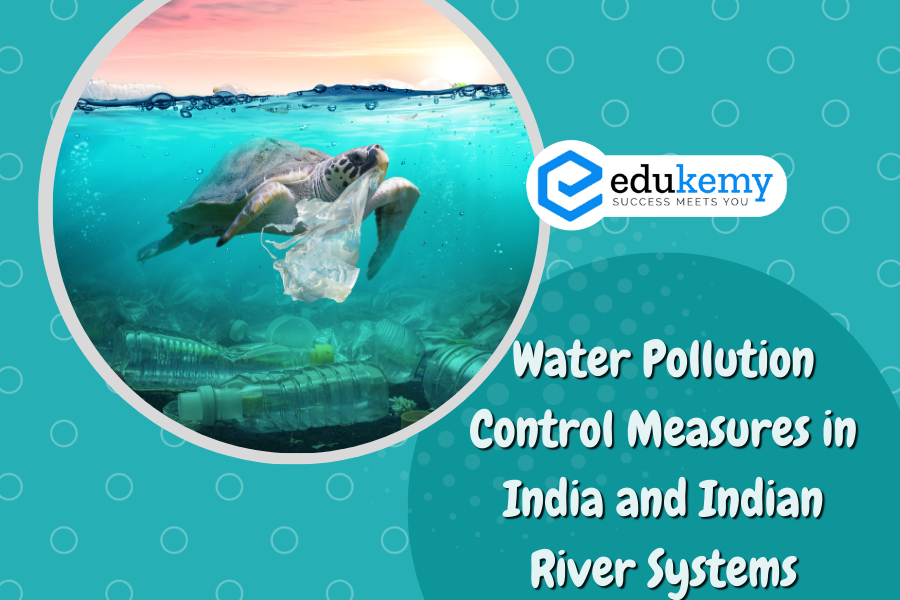
Water pollution control measures in India are of critical importance due to the country's vast river systems, which serve as lifelines for millions of people.
Eutrophication, a phenomenon stemming from excessive nutrient enrichment in aquatic ecosystems, has emerged as a pressing environmental concern worldwide
Marine pollution occurs when substances introduced or discharged by human activities, including industrial, agricultural, and residential waste, particulates, noise, excessive carbon dioxide, or invasive species, enter the water and result in detrimental effects.