The General Geography segment in the UPSC Mock Interview serves as a pivotal component, testing the candidates' understanding of various geographical phenomena
The Food Security Bill in India, aimed at eradicating hunger and malnutrition, has generated optimism for addressing prevalent socio-economic challenges.
Tax expenditure refers to government policies that forego revenue through preferential tax treatment or subsidies in order to achieve certain social or economic objectives.
The Fiscal Responsibility and Budget Management (FRBM) Act of 2003 was introduced in India to address the persistent problem of fiscal deficit and ensure prudent management of public finances
The enactment of the new Companies Bill in 2013 marked a significant shift towards fostering inclusive growth through Corporate Social Responsibility (CSR)
The Industrial Revolution and the rise of nationalism are two interconnected forces that profoundly reshaped the socio-economic and political landscape of the 19th century.
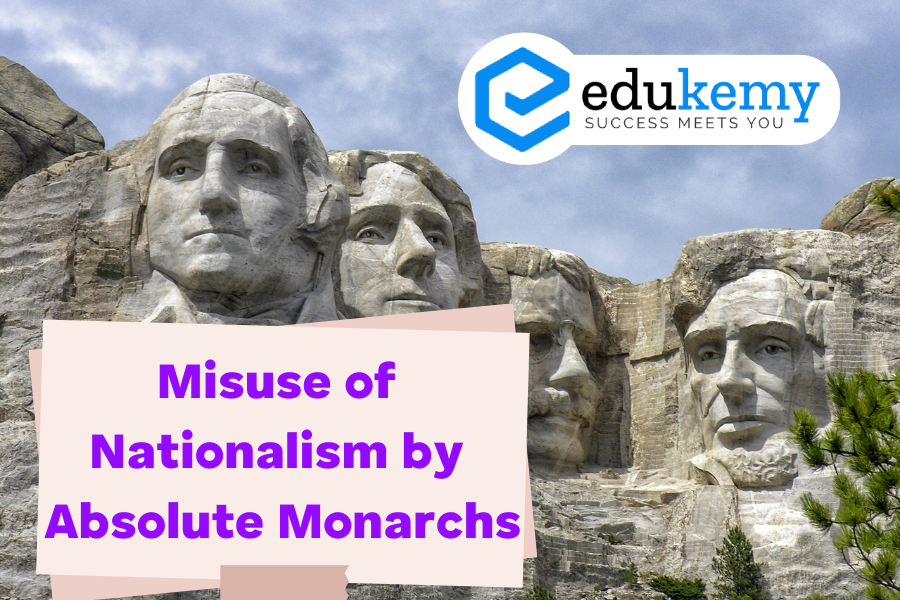
Throughout history, absolute monarchs have often wielded nationalism as a double-edged sword, utilizing it both to solidify their own power and to manipulate the sentiments of their populace.
The concept of nation, a cornerstone of modern political organization, encompasses a complex interplay of historical, cultural, and socio-political factors that define a collective identity shared by a group of people.