Geography is one of the optional subjects that can be chosen by candidates appearing for the Union Public Service Commission (UPSC) Civil Services Examination (CSE).
In the Preliminary examination, geography is a part of the General Studies Paper-I, where candidates are tested on their understanding of world geography, Indian geography, and physical geography.
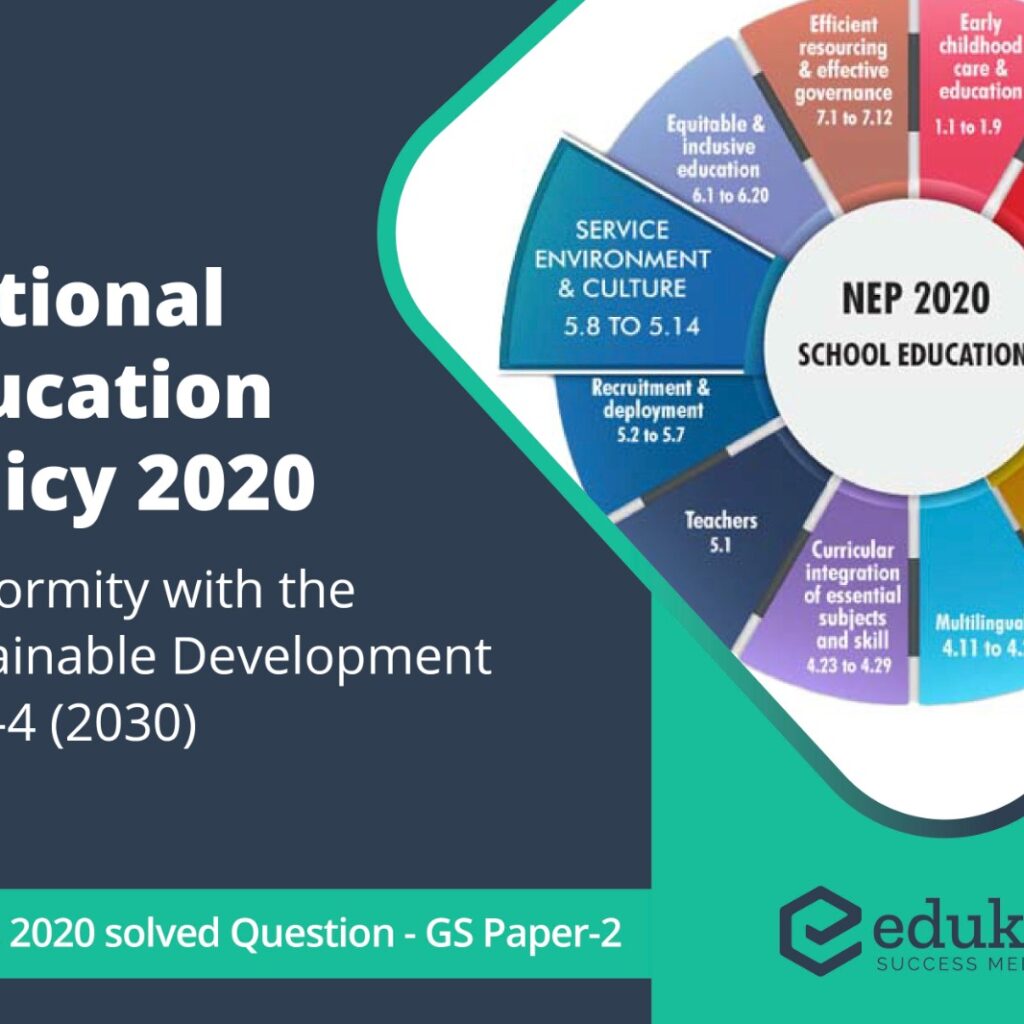
The National Education Policy (NEP) 2020 in India is designed with a commitment to align with the global education agenda, particularly the Sustainable Development Goal 4 (SDG-4) that focuses on ensuring inclusive and equitable quality education for all by 2030.
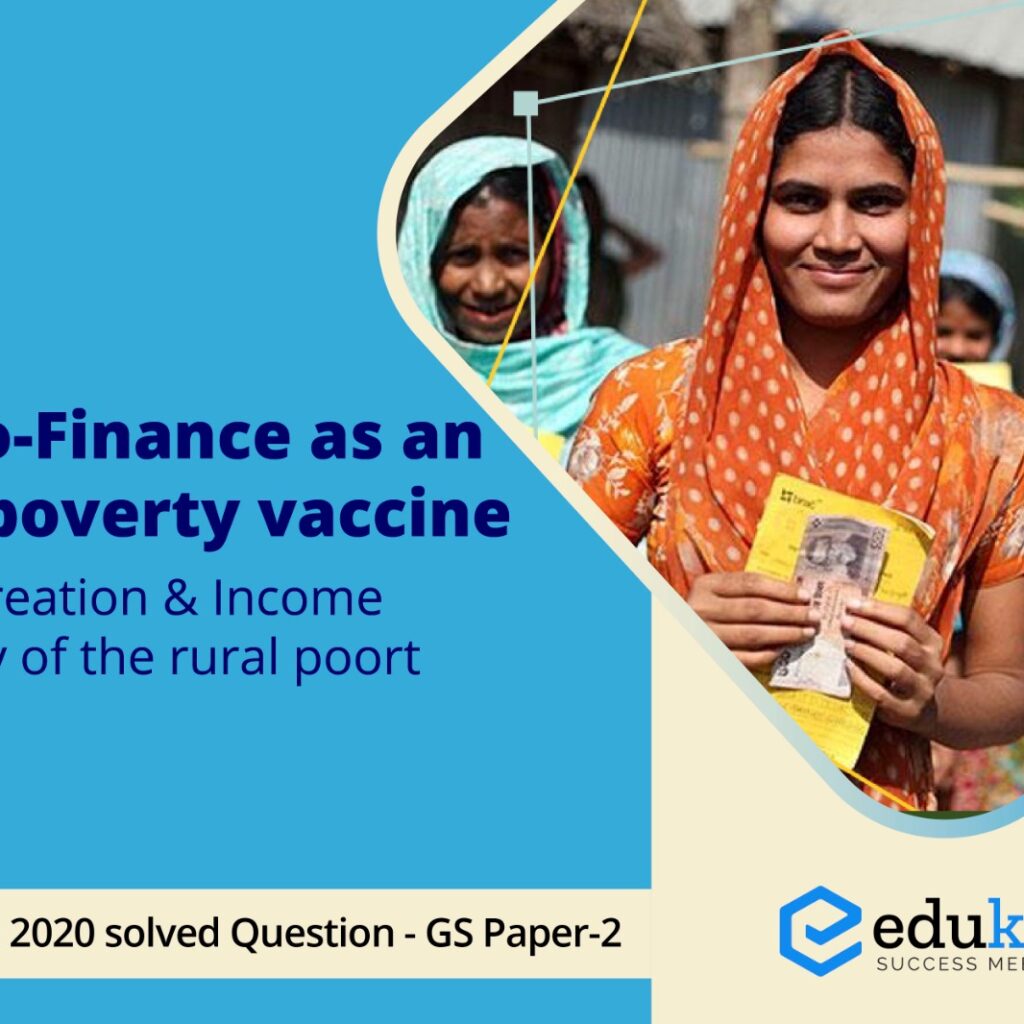
Micro-finance, often heralded as an anti-poverty vaccine, plays a pivotal role in fostering asset creation and ensuring income security among the rural poor in India.
In evaluating poverty, the latest United Nations Multidimensional Poverty Index (MPI) Report underscores the significance of considering both the incidence and intensity of poverty, emphasizing that relying solely on income metrics may be insufficient.
The constitutionalization of a commission involves a series of crucial steps to embed its legal and institutional framework within the constitution of a country.
The evolution of local institutions in India has witnessed a transformative journey from their foundational triad of 'Functions, Functionaries, and Funds' to the current emphasis on 'Functionality.'
Judicial legislation, wherein courts assume a legislative role by actively formulating and implementing laws, stands in direct contradiction to the foundational principle of the separation of powers enshrined in the Indian Constitution.